Table Of Content
- Elements of Design: Understanding the 7 Elements of Design
- Practical Applications of Shape in Graphic Design
- Basic Elements of Design Every Designer Should Know
- Popular Grandmillennial Fabric Patterns Every Decorator Must Know
- Learn More About Design Theory
- The Basic Elements of Design
- Exploring the Element of Shape in Graphic Design
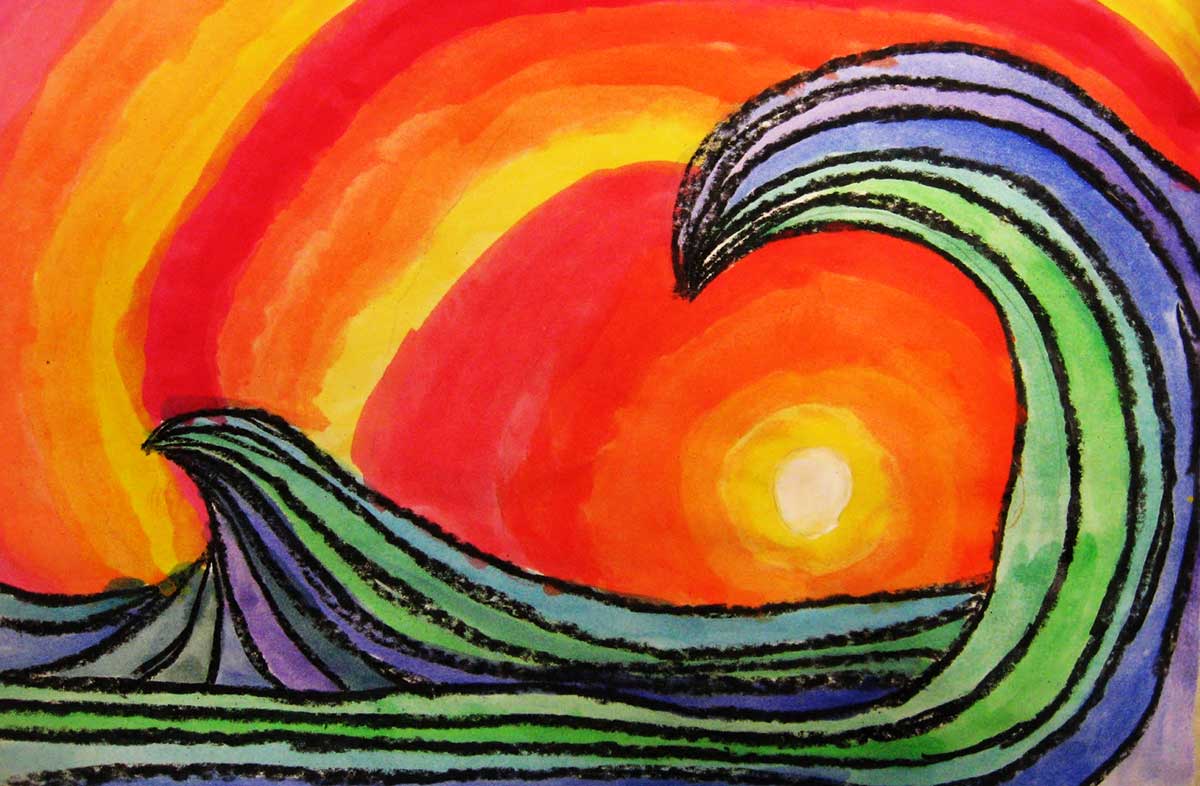
Variety in textures is good, just be sure to appropriately balance them. Lines are important in interior design because they can affect how we perceive a space. On the other hand, curved lines can create a sense of movement through a space.
Elements of Design: Understanding the 7 Elements of Design
By leveraging these associations, designers can add layers of meaning to their work. For instance, using circles in a logo design for a global organization can emphasize the idea of worldwide unity. The right balance of negative and positive space makes the composition complete and helps to create visual interest. The text, the words you add in your design play a huge role in making it a success, but the way you put them – their style, play as much of a great role.
Practical Applications of Shape in Graphic Design
Skillful use of value can also lead to visually striking designs that capture the audience's attention and convey a particular mood or atmosphere. Shape, color, space, form, line, value, and texture are only a few of the fundamental components of any visual design known as the elements of design. To produce an image that can elicit a variety of emotions, evoke a certain atmosphere, or attract attention in a specific direction, graphic designers use design components. In visual design, form is described as the way an artist arranges elements in the entirety of a composition.[5] It may also be described as any three-dimensional object.
Basic Elements of Design Every Designer Should Know
Whether creating a social media post to inform customers about a new feature or developing a lengthy email communication strategy, you need to have your priorities in place. Circles have no beginning or end, they represent life and the lifecycle. The circle along with the oval is readily found in nature with the sun, moon and earth, not to mention fruit and flowers.
These design principles guide graphic designers to deliver quality and intended results. Visual design is about creating and making the general aesthetics of a product consistent. To create the aesthetic style of a website or app, we work with fundamental elements of visual design, arranging them according to principles of design. These elements and principles together form the building blocks of visual design, and a firm understanding of them is crucial in creating a visual design of any product.
Good proportion contributes to a harmonious design in which every part seems just right in relation to the others. In product design, for example, proportion is critical for both aesthetics and functionality. Bold and thick lines can draw attention, while thin lines are the opposite.
The Basic Elements of Design
Color has various characteristics, such as hue, saturation, and lightness, much like other elements. This image of a robot would tell a completely different story if the colors were different. Color provides the most psychological aspect of design, as it's how most humans see reality. In design, color tells a story, sets the mood, and adds character and personality.
Exploring the Element of Shape in Graphic Design
To summarize, every piece of work uses point, line, shape, form, and color elements. These are the building blocks that form the visuals and structure. Proportion refers to the relative size and scale of elements in the design.
Topics in This Article
Remember that the average human brain can call out a lack of visual balance. Pick the best color combinations that fit the mood of a design and pair them judiciously with hues that act as a contrast. If your brand color is red, you do not want a welcome email to be created in solid red. Go for a secondary white or grey to balance the strength of your primary color. The area in a picture between or surrounding the focal point is known as whitespace or negative space.
For you to make such good designs, there are fundamental elements that the designer must be conversant with. The principles include contrast, balance, pattern, variety, and unity. These guidelines use elements to tell a story or atmosphere and help blend the elements effectively.

Lines can be thick or thin, straight lines or curved lines, continuous or broken. Similarly, in everyday app usage, we understand three parallel lines (the hamburger icon) to signify a menu. Imagine showing that icon to someone who had been living without any technology for the last few decades and had never used an app. Without the shared cultural understanding, it would mean nothing to them. For all these reasons, it is best to research shapes like these individually whenever you plan to use one in design.
The two basic categories of space are negative space and positive space. Using space effectively can change others' perceptions of your design. A line is the shortest path in space between two connected points.
Elements of Design: Type — SitePoint - SitePoint
Elements of Design: Type — SitePoint.
Posted: Wed, 04 Nov 2009 08:00:00 GMT [source]
The additive mix of colours on digital screens produces the RGB colour system. In painting and photography, value is used to create a sense of realism and volume, adding a layer of complexity to two-dimensional works. Let us know if you're a freelance designer (or not) so we can share the most relevant content for you. I'm a design writer, mentor, and entrepreneur leading Laura Keung Studio, currently based in Munich, Germany.
Anastasia has been a professional blogger and researcher since 2014. Artists can use different color values to show increased mass and volume in their work. A change in an object's brightness or darkness causes a change in its value. Hue is a term used to describe a wavelength of light in the color spectrum combined with red, green, and blue, the primary colors. A given color might be saturated brightly or dimly or light or dark on the spectrum.




No comments:
Post a Comment